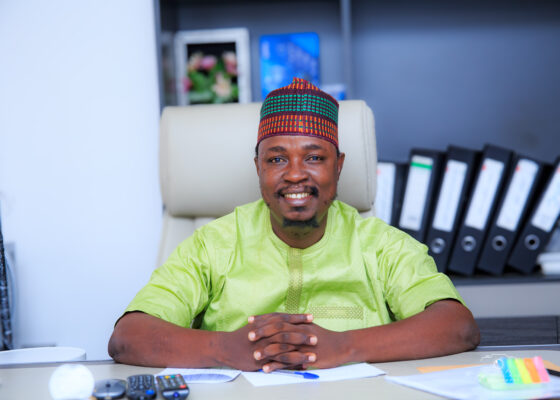
Islamic scholar and host of UTI Daawah, Ustadh Isaac Sofo Alhassan, has called for reforms in the organization of Islamic education in Ghana, particularly the continued use of Saturday classes for children.
Islamic scholar and host of UTI Daawah, Ustadh Isaac Sofo Alhassan, has called for a review of how Islamic education is organized, with particular attention to the scheduling of weekend classes.
Speaking on the issue, Ustadh Isaac Sofo Alhassan questioned whether the continued organization of Saturday classes is the most effective approach to providing Islamic education to children who already spend much of the week in formal schools.
Call to Rethink Saturday Islamic Classes
The Islamic scholar suggested that stakeholders should reconsider the current structure of weekend Islamic education and explore approaches that provide quality instruction without placing excessive demands on children.
He stressed the need for Islamic education to be properly coordinated alongside children’s regular academic responsibilities.
Push for Standardized Islamic Education
Ustadh Isaac Sofo Alhassan also advocated for greater coordination among Islamic schools and education providers.
One proposal he raised was the possibility of bringing Islamic schools together to organize standardized examinations and establish a system through which students could receive recognized certificates after completing their studies.
According to him, such a system could help improve consistency in Islamic education and provide students with a clearer educational pathway.
Strengthening Qur’anic Education
The scholar further emphasized the importance of teaching children the Qur’an and Islamic values from an early age.
He argued that Islamic education remains an important part of community development and should continue to receive attention from parents, Islamic scholars, teachers, and community leaders.
Balancing Islamic and Formal Education
A major point in his argument was the need to ensure that Islamic education complements rather than unnecessarily conflicts with children’s formal education.
He called for a more structured system that considers children’s academic workload while ensuring that they receive meaningful Islamic instruction.
Stakeholders Urged to Work Together
Ustadh Isaac Sofo Alhassan called on Islamic education stakeholders to collaborate on reforms that could improve the quality, structure, curriculum, and delivery of Islamic education in Ghana.
He maintained that greater cooperation among Islamic schools and community leaders could help establish a more coordinated system that benefits both students and their families.
Debate Over the Future of Islamic Education
His comments have reignited discussions about the future of Islamic education in Ghana, particularly the role of Saturday classes and the need for standardized examinations and certification.
The broader conversation is expected to continue as parents, Islamic scholars, teachers, and community stakeholders consider how best to provide children with quality Islamic education while balancing their other educational responsibilities.