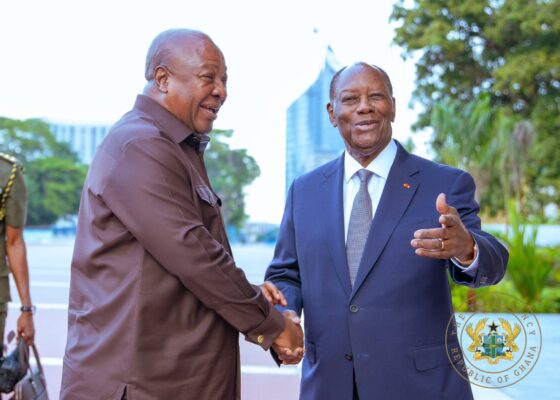
Major Cocoa-Producing Nations Strengthen Partnership
Ghana and Côte d’Ivoire have agreed to harmonise their cocoa producer pricing policies in a significant move aimed at improving farmers’ incomes, stabilising the global cocoa market, and deepening cooperation between the world’s two largest cocoa-producing countries.
The agreement is expected to strengthen collaboration between the two neighbouring West African nations, which together account for more than half of global cocoa production and play a critical role in the international chocolate industry.
Officials from both countries believe that aligning cocoa pricing policies will help ensure fairer and more sustainable earnings for cocoa farmers, many of whom face challenges linked to fluctuating global commodity prices.
The initiative is designed to reduce unhealthy competition between the two countries while creating a more coordinated approach to cocoa marketing and pricing.
Industry stakeholders say the move could provide greater income security for farmers and encourage long-term investment in cocoa production.
Beyond supporting farmers, the agreement is also intended to promote stability within the global cocoa market.
Analysts note that coordinated pricing policies between Ghana and Côte d’Ivoire could help strengthen bargaining power in international markets while improving predictability for cocoa buyers and exporters.
The partnership is expected to contribute to efforts aimed at addressing market volatility and ensuring sustainable growth within the cocoa sector.
The decision reflects the growing commitment of both governments to work together on issues affecting the cocoa industry and the broader agricultural sector.
Over the years, Ghana and Côte d’Ivoire have collaborated on several initiatives aimed at protecting farmers, improving production standards, and enhancing the value of cocoa exports.
Observers believe the latest agreement marks another important step toward greater regional economic cooperation.
Farmers, exporters, and agricultural experts have welcomed the development, describing it as a potentially transformative policy for the cocoa industry.
Many believe that closer coordination between the two leading cocoa-producing nations will help strengthen the sector, improve livelihoods, and support economic growth in both countries.
As global demand for cocoa continues to evolve, Ghana and Côte d’Ivoire are positioning themselves to play a stronger role in shaping the future of the industry.
The harmonisation of cocoa producer pricing policies is expected to enhance market efficiency, protect farmers’ interests, and reinforce the leadership of both countries within the global cocoa trade.
Continue reading in the comments section for more agriculture, cocoa industry, and economic development updates.