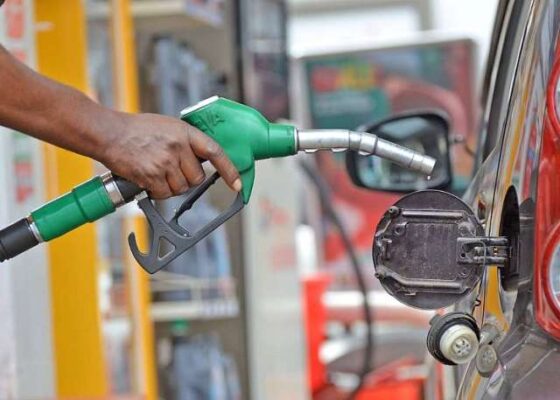
Ghana is currently facing a sharp rise in fuel prices, driven largely by global supply disruptions linked to international conflicts and instability in key oil-producing regions. Over recent weeks, petrol prices have surged by about 15% while diesel has increased by nearly 19%, creating widespread concern among citizens and businesses.
The impact is already being felt across the country. Transport operators are expected to review fares upward, which will directly affect commuters. At the same time, the cost of goods—especially food and essential commodities—is likely to rise as suppliers pass on higher transportation and production costs to consumers.
Industry analysts point to Ghana’s heavy reliance on imported refined petroleum products as a major factor behind the price sensitivity. Any fluctuation in global crude oil prices, shipping routes, or foreign exchange rates—particularly the performance of the Ghanaian cedi—quickly translates into higher prices at the pump.
The government, under John Dramani Mahama, is reportedly exploring several interventions to ease the pressure. These include negotiating alternative fuel supply arrangements, reviewing taxes and levies on petroleum products, and strengthening strategic fuel reserves to cushion future shocks.
Economists warn that the fuel price hikes could slow Ghana’s recent progress in stabilizing inflation. Increased fuel costs tend to trigger a chain reaction across the economy, pushing up prices in transportation, manufacturing, and services. This could further strain household incomes and reduce purchasing power.
For many Ghanaians, the concern is not just the current increase, but the possibility of continued upward adjustments if global conditions remain unstable. As a result, fuel prices have quickly become a central issue in national discussions, with growing calls for sustainable, long-term solutions to protect consumers and stabilize the economy. NPA