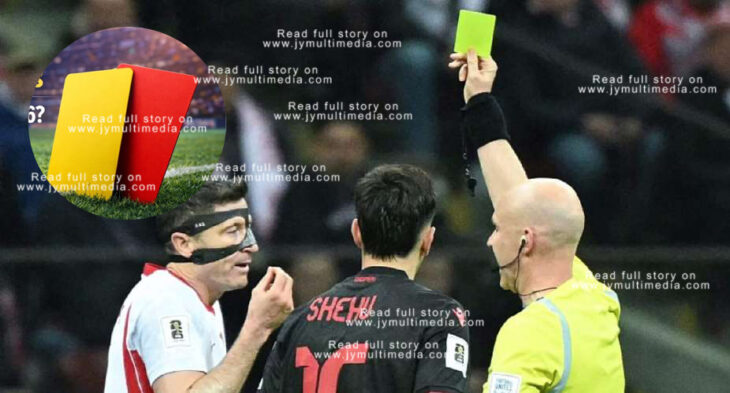
is reportedly evaluating a set of bold and potentially controversial rule changes that could significantly alter player conduct on the pitch, including stricter penalties for covering the mouth during matches and a possible reset of yellow card accumulations at the 2026 FIFA World Cup.
Crackdown on “Hidden Communication”
One of the most debated proposals involves sanctioning players who cover their mouths while speaking during games. This common practice—often used to prevent lip-reading by opponents, broadcasters, or analysts—could soon be interpreted as an attempt to conceal unsporting behavior.
Under the proposal being discussed internally, referees may be given authority to issue immediate red cards if they believe a player is deliberately hiding communication that could involve dissent, abuse, or rule violations. FIFA officials are said to be concerned that such gestures undermine transparency in modern football, especially in an era where matches are closely scrutinized by cameras and technology.
The move would align with FIFA’s broader push toward openness, following the increased use of VAR and enhanced referee mic discussions in recent competitions.
Yellow Card Amnesty on the Table
In contrast to the stricter disciplinary approach, FIFA is also considering a more forgiving measure for the 2026 tournament. A proposed “yellow card amnesty” would allow players to have their accumulated bookings cleared at a certain stage of the competition—potentially before the knockout rounds.
The idea behind the amnesty is to ensure that star players are not sidelined in crucial matches due to minor infractions earlier in the tournament. With the 2026 World Cup set to feature an expanded format and more matches, fixture congestion and player fatigue are expected to increase, making disciplinary management a key concern.
Mixed Reactions Across the Football World
Early reactions to the proposals have been divided. Some stakeholders argue that penalizing players for covering their mouths could be excessive and difficult to enforce consistently. Others believe it could deter abusive language and improve respect toward referees and opponents.
Meanwhile, the yellow card amnesty concept has been welcomed by many fans and analysts, who often express frustration when key players miss decisive games due to cumulative bookings.
What Happens Next?
FIFA is expected to consult with referees, players’ unions, coaches, and member associations before making any official decisions. If approved, the new measures could be tested in selected competitions prior to being implemented at the 2026 World Cup.
As the football world awaits confirmation, one thing is clear: FIFA is once again willing to push boundaries in its efforts to modernize the game—though not without sparking intense debate along the way.