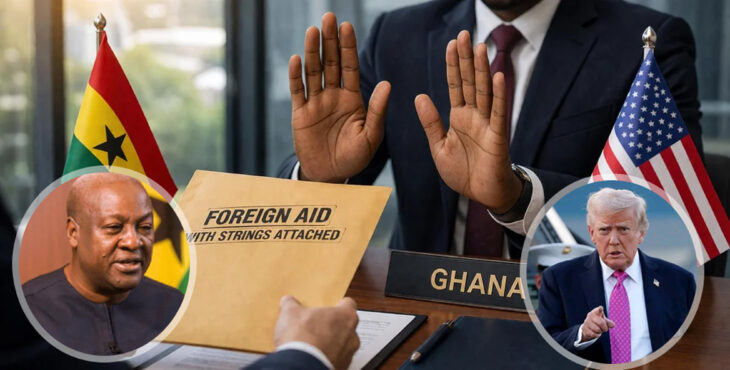
ACCRA, Ghana — Ghana has rejected a proposed $109 million health aid package from the United States, citing serious concerns over sensitive data sharing requirements tied to the agreement.
The deal, aimed at strengthening Ghana’s healthcare system, was expected to fund disease prevention programs, improve medical infrastructure, and enhance public health services. However, government officials reportedly raised concerns over provisions that could allow external access to confidential health and demographic data of Ghanaian citizens.
Authorities stressed that data protection and national sovereignty cannot be compromised, even in exchange for significant financial assistance. The move reflects a broader global trend, as countries become increasingly cautious about how sensitive information is handled in international agreements.
Officials in Accra noted that while Ghana maintains strong diplomatic ties with the United States, any cooperation must fully comply with local data protection laws and privacy standards. They added that Ghana remains open to future partnerships—provided the terms respect the country’s legal and ethical frameworks.
The decision has sparked debate among analysts and the public. Supporters argue that the government is taking a firm stance on protecting citizen data, while critics warn that rejecting such funding could impact healthcare development and service delivery.
Experts say the situation highlights a growing tension between international aid and digital sovereignty, particularly in sectors like healthcare where data sensitivity is high.
As negotiations evolve, this decision by Ghana could set a precedent for how developing nations approach foreign aid—balancing economic support with control over national data.