South African Politician Says Country Does Not Need Conditional Support Ahead of World Cup
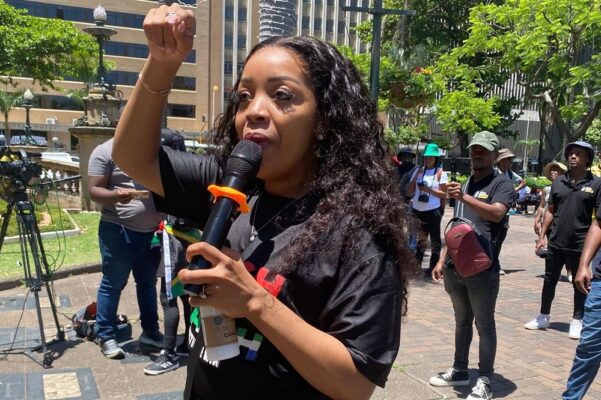
South African political figure Jacinta Ngobese-Zuma has sparked widespread discussion after making strong remarks about African countries that have chosen not to support South Africa during the FIFA World Cup.
Speaking on the issue of continental solidarity in football, Ngobese-Zuma suggested that South Africa does not require support that may later be used as a basis for political or public recognition.
“We don’t need your support because in a few years you will be reminding us you supported us at the World Cup,” she reportedly stated.
The comments have generated reactions across social media and among football fans throughout Africa, with many debating the role of regional unity and support during major international sporting events.
The statement comes amid discussions about whether African nations should rally behind fellow African representatives at global tournaments such as the FIFA World Cup.
Supporters of continental unity argue that African teams often benefit from collective support as they compete against football powerhouses from Europe and South America.
Others believe that football support should remain a personal choice for fans and countries rather than an obligation based on geography.
Ngobese-Zuma’s remarks have received mixed responses online.
Some commentators have praised her for emphasizing independence and national pride, while others argue that sporting events provide opportunities for African countries to demonstrate unity and shared identity on the global stage.
Football supporters from various countries have also expressed differing views on whether national teams should expect backing from across the continent.
The FIFA World Cup remains one of the most watched sporting events globally, with African nations often attracting support from football fans beyond their borders.
Historically, strong performances by African teams have been celebrated across the continent, regardless of national affiliations.
Analysts note that debates surrounding support, identity, and regional solidarity are common during major international tournaments.
Despite the controversy surrounding the remarks, attention remains focused on the World Cup itself, where teams continue to compete for international glory.
Football observers say performances on the pitch will ultimately shape the legacy of participating nations more than debates off the field.
As discussions continue, Ngobese-Zuma’s comments have added another layer to the conversation about African unity, football culture, and national pride during the global tournament. Jacinta Ngobese-Zuma
Continue reading in the comments section for more FIFA World Cup and African football updates.