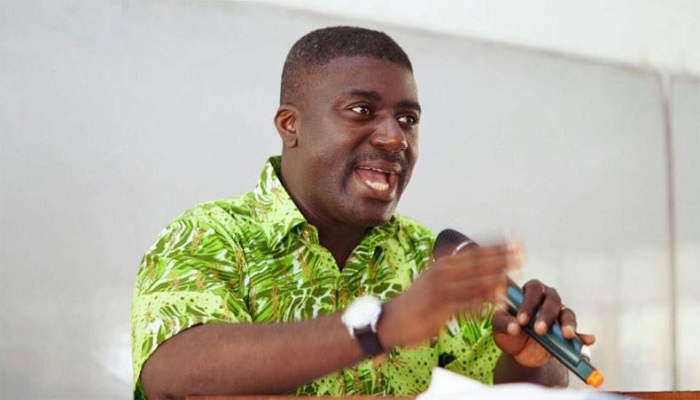
Accra, Ghana – June 2026 – The Deputy Chairman of the Electoral Commission (EC) in charge of Corporate Services, Dr. Bossman Eric Asare, has resigned from his position, with his resignation set to take effect on July 31, 2026.
The development was confirmed by Minister of State for Government Communications, Felix Kwakye Ofosu, who disclosed that Dr. Asare had officially communicated his decision to step down from the Electoral Commission.
The resignation marks a significant development within Ghana’s electoral management body, which plays a crucial role in organizing and supervising elections across the country.
While details surrounding the resignation have not yet been fully disclosed, political observers and stakeholders are closely monitoring the situation due to the importance of the Electoral Commission in safeguarding Ghana’s democratic process.
Dr. Bossman Asare has served as Deputy Chairman of the Electoral Commission responsible for Corporate Services, overseeing administrative and operational functions within the institution.
Throughout his tenure, he contributed to various electoral reforms, voter registration exercises, and election management processes aimed at strengthening Ghana’s democratic credentials.
His departure is expected to trigger discussions regarding succession plans and the future direction of the Commission.
As of now, no official announcement has been made regarding who will replace Dr. Asare following his departure on July 31.
The Electoral Commission is expected to continue its operations while relevant authorities determine the next steps concerning the vacant position.
Political analysts believe the resignation could attract national attention given the EC’s critical role in maintaining public confidence in Ghana’s electoral system.
The announcement is likely to generate reactions from political parties, civil society organizations, election observers, and governance experts.
Many stakeholders are expected to call for transparency and continuity within the Electoral Commission to ensure the institution remains strong, independent, and capable of carrying out its constitutional mandate.
Further details are anticipated in the coming days as the Electoral Commission and government provide additional information regarding the resignation.